Ninpō Sanjūrokkei
Twice eighteen makes the 36 military strategies – 18 basic martial arts and 18 special skills in which the ninja trained.
- Chapter
- 8, Rules & Philosophy
- Sections
- 3
- Reading time
- 2 min
The 36 Military Strategies
A ninja had to learn twice eighteen fields. First, he needed a good grounding in the 18 categories of martial arts, the bugei jūhappan 武芸十八般, and tried to become a specialist in them. On top of that came 18 categories of secret techniques, the ninja jūhakkei.
The number 36 is considered special because it can be broken down into 3 and 6. Added together, 3 and 6 make 9; multiplied, they make 18. Split 18 into 1 and 8, and the sum is 9 again. In the martial arts, especially the Chinese ones, 9 carries a special meaning. It is said to stand for perfection, because 10 begins a new, two-digit range of numbers.
The sanjūrokkei were not fixed. Fields were often dropped and others added. Nor did a ninja limit himself to the ninpō sanjūrokkei; he always tried to perfect himself in as many fields as possible.
The Three Pillars
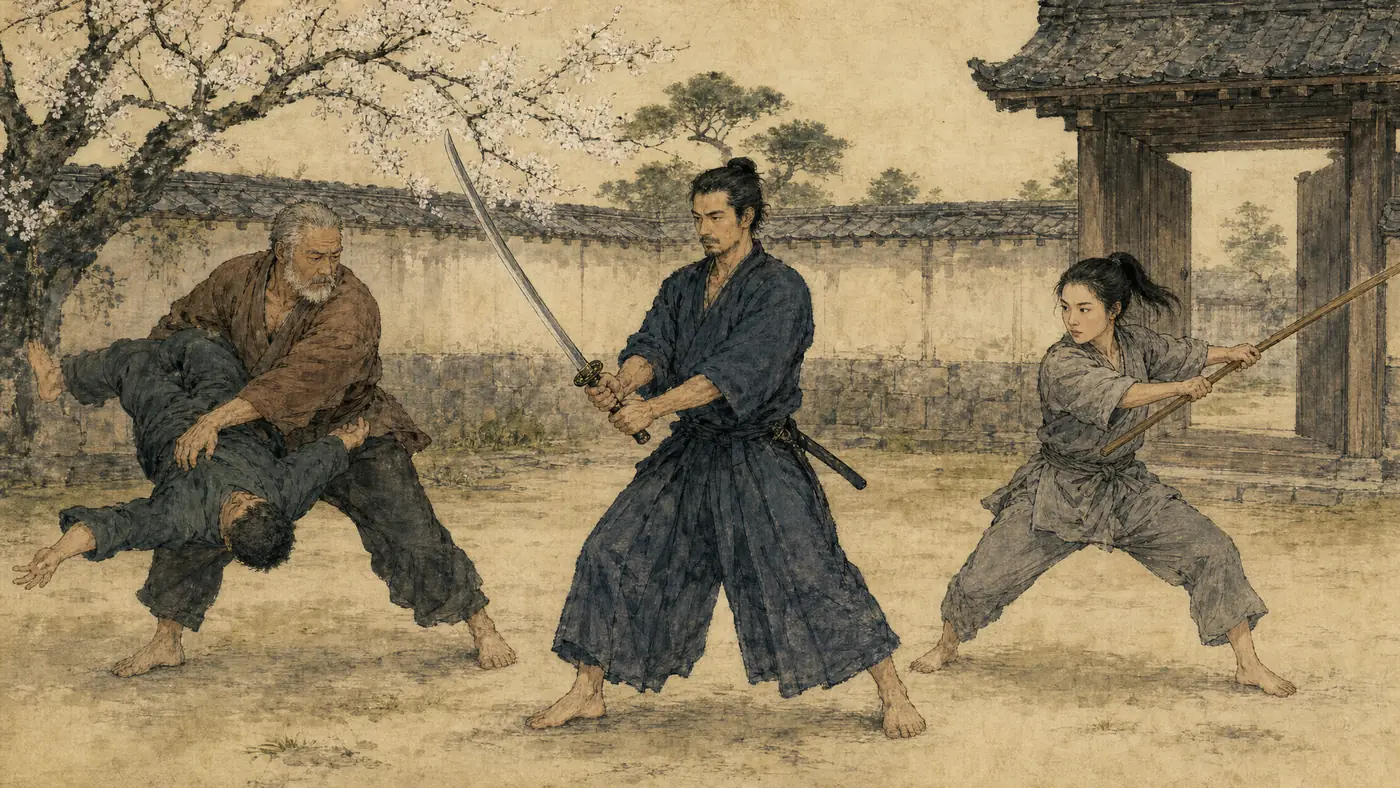
Three of the 36 fields carry special weight: taijutsu 体術, unarmed combat; bikenjutsu, sword fighting; and bōjutsu 棒術, stick fighting. They are also called the “three pillars”
of ninpō 忍法.
Just as important is seishin teki kyōyō 精神的教養, spiritual development. Without the spiritual and philosophical aspect, a martial art degenerates into an empty shell with no value.
Bugei Jūhappan
- Jūjutsu 柔術, kenpō 拳法: unarmed defense
- Kenjutsu 剣術, gekkenjutsu: sword
- Iai jutsu 居合術, battōjutsu: sword drawing
- Kusari fundōjutsu: chains
- Kusarigamajutsu: chain and sickle
- Bōjutsu: staff
- Sōjutsu: spear
- Naginatajutsu: sword lance
- Suiren 水練: swimming
- Bajutsu 馬術: riding
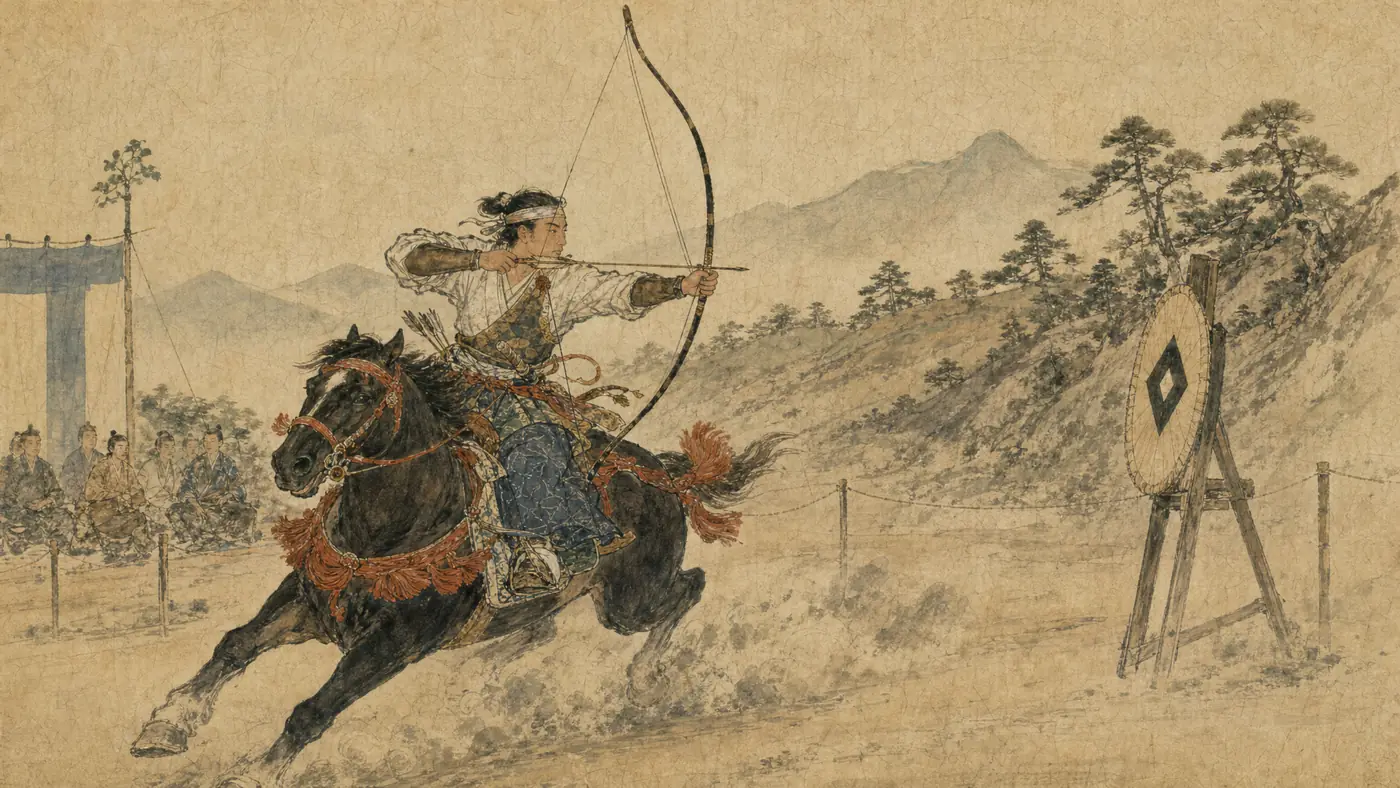
- Kishajutsu: mounted archery
- Jōjutsu: walking stick
- Kyūjutsu 弓術: archery
- Yoroi kumiuchi: fighting in armor
- Hōjō jutsu 捕縄術, hobakujutsu: binding
- Juttejutsu: iron staff
- Hojutsu: illusions
- Nage kenjutsu, shurikenjutsu: throwing blades
Ninja Jūhakkei
- Seishin teki kyōyō: spiritual development
- Taijutsu: unarmed combat, with jū tai jutsu 柔体術, daken taijutsu 打拳体術, koppō jutsu 骨法術, and kosshijutsu
- Bikenjutsu: sword, with tantōjutsu 短刀術, kodachijutsu, ōdachijutsu, ninja tōjutsu, ittōjutsu, and nitōjutsu
- Sōjutsu: spear
- Naginatajutsu: sword lance
- Bisentōjutsu: halberd
- Kusarigamajutsu, kyoketsu shōge 距跋渉毛: sickle and chain, rope
- Roku shaku bōjutsu, bōjutsu: staff
- San shaku bō jutsu, jōjutsu: walking stick
- Shurikenjutsu, senbannagejutsu: throwing blades
- Kishajutsu: mounted archery
- Inton jutsu 隠遁術: hiding, with omote and ura goton and tenchijin santon
- Hokō jutsu 歩行術: walking techniques
- Hensō jutsu 変装術: disguise, with shichi hō de sanpo gata
- Kakushi bukijutsu: secret weapons such as shukō 手鉤, sokko, neko te 猫手, and others
- Ninyakujutsu: medicine, drugs
- Gunryaku heihō: strategies
- Tenmon 天文, chimon 地文: strategies of heaven and earth